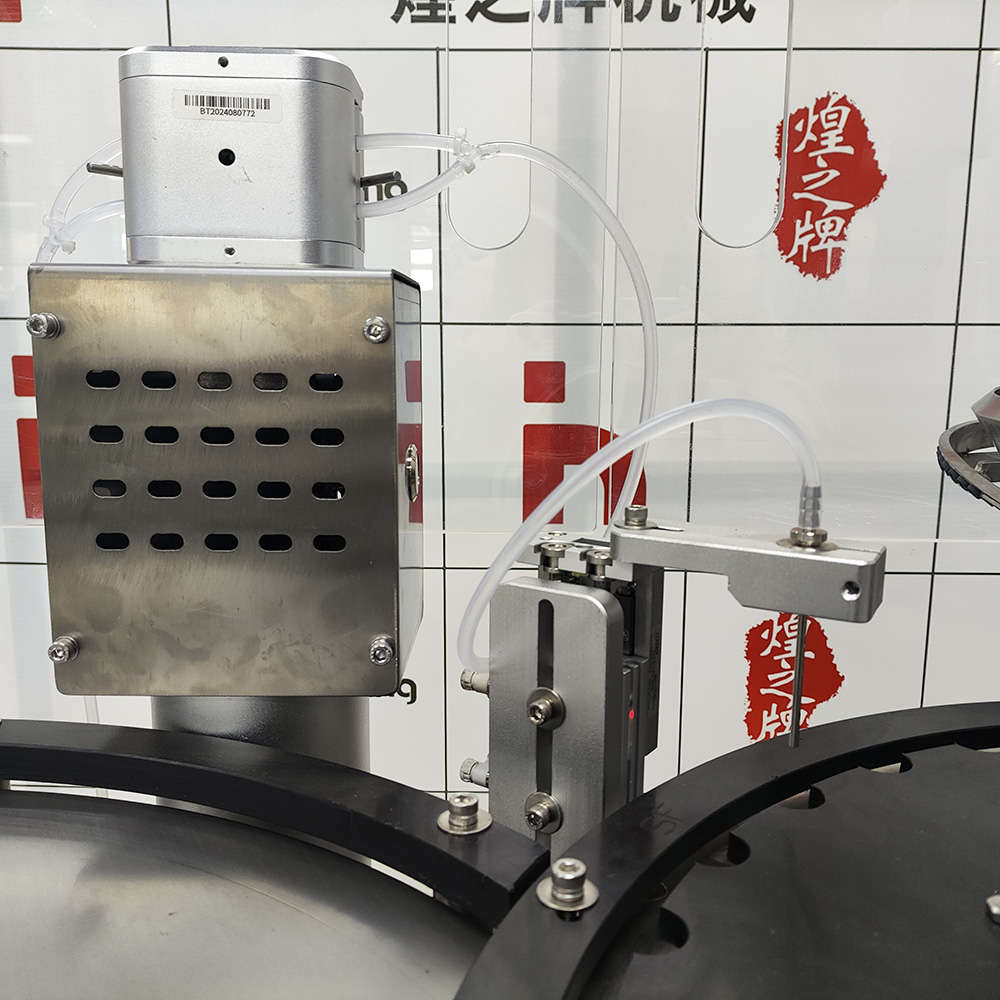
What the manufacturers won't tell you: The "precision parameters" of the fully automatic filling machine actually include moisture content.
In the procurement decisions of industries such as medicine, cosmetics, and health supplements, the "filling accuracy" of the fully automatic filling machine is often the core indicator. The ±0.2% or even ±0.1% accuracy indicated in the manufacturer's brochures may seem to represent the top performance of the equipment, but in actual production scenarios, these parameters often "contain water". The details that the manufacturers won't explicitly state are becoming hidden traps for the production efficiency and costs of enterprises.
1. Laboratory data ≠ real performance in the workshop
The precision parameters provided by the manufacturers are mostly measured under ideal laboratory conditions: using standard materials such as room temperature clean water with low viscosity and good fluidity, combined with new filling pumps, and obtaining the optimal values under equipment no-load or small batch trial operation states.
However, the real production scenarios are much more complex:
Material characteristics differences: When filling viscous hyaluronic acid raw materials, pharmaceutical preparations containing suspended particles, or easily foaming protein solutions, the changes in material fluidity and density will directly lead to filling volume deviations. For example, a medical beauty enterprise that purchased the filling machine, when testing with clean water, the accuracy could reach ±0.3%, but when filling the collagen protein raw material, the actual deviation exceeded ±1.2%.
Equipment wear and tear impact: As production time increases, the wear of the sealing ring of the filling pump and the aging of the pipeline will cause cumulative measurement errors. After the production line of a pharmaceutical enterprise ran for 3 months, the filling accuracy dropped from the initial ±0.25% to ±0.8%, but the manufacturer's parameters did not indicate the attenuation curve of accuracy with wear.
Environmental interference factors: Temperature fluctuations in the workshop, unstable voltage, changes in the liquid level of the material tank, etc., will all affect the stability of filling. An oral liquid production enterprise found that when the workshop temperature increased from 20°C to 30°C, the filling accuracy would decrease by approximately 0.5 percentage points.

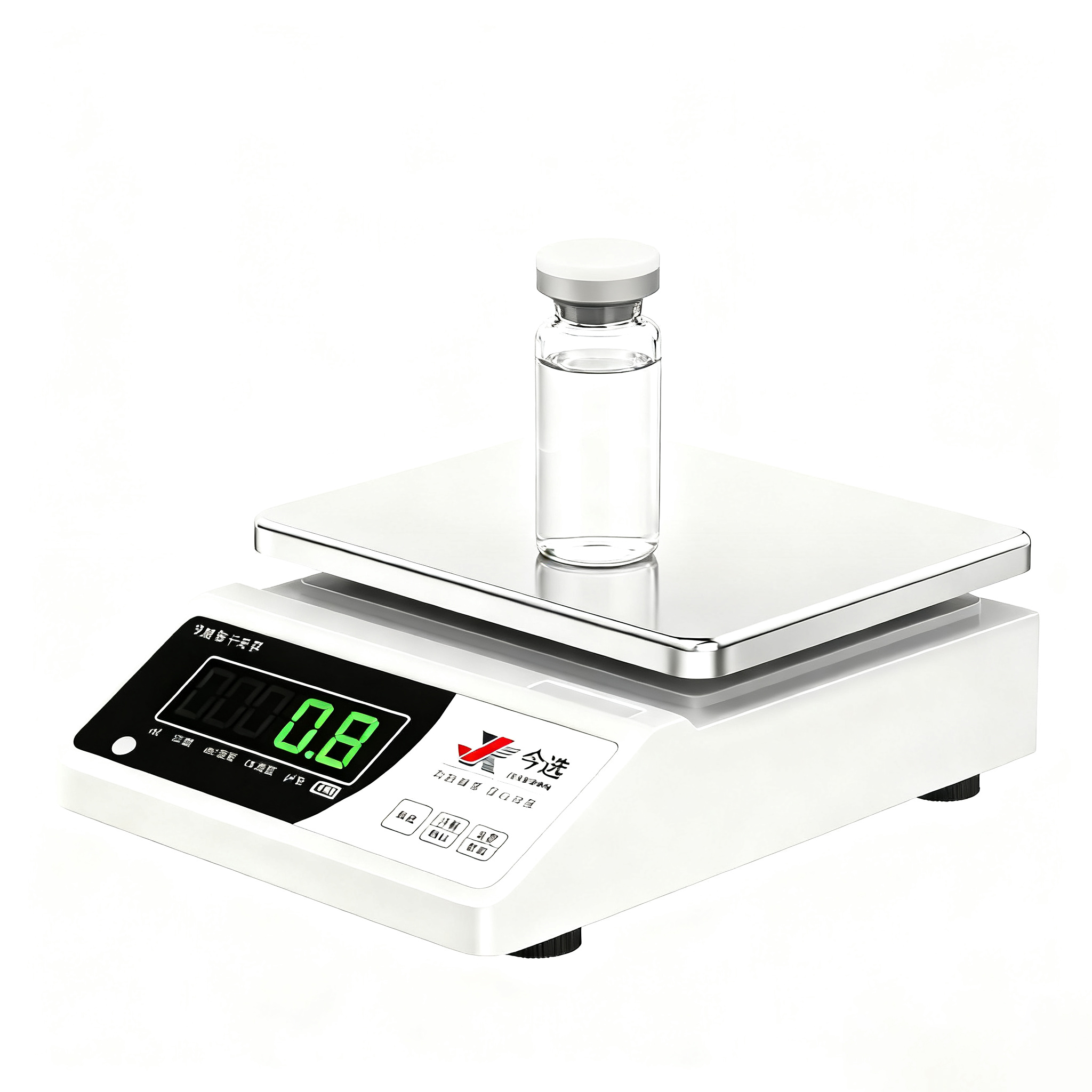
2. "Word game" of precision: Average precision vs single bottle precision
The "±0.2% precision" promoted by the manufacturers usually refers to the batch average precision, that is, the deviation between the average value of multiple filling volumes and the target value. However, for industries such as medicine that have extremely high requirements for single doses, the truly crucial aspect is the single bottle precision - whether each bottle's filling volume can be controlled within the error range.
For example, a vaccine production equipment marked with a precision of ±0.3%, but in actual production, about 3% of the single bottle deviations would exceed ±0.5%, which means that out of every 1000 bottles, 30 bottles may be rejected due to dose non-compliance. This "average pass, individual exceedance" situation is often deliberately avoided in the manufacturer's parameter explanations.
In addition, some manufacturers choose "static precision" instead of "dynamic precision" for testing. Static precision is the measurement error of the equipment when it is stationary, while dynamic precision is the actual performance of the equipment in a high-speed running state. The latter is affected by mechanical vibration, bottle positioning errors, etc., and is usually 20%-30% lower than static precision.
3. Hidden costs: "Invisible bills" for precision maintenance
To maintain the claimed precision, enterprises need to bear a large amount of hidden costs, which are also things that the manufacturers will not actively mention:
Frequency of consumable replacement: The seals, one-way valves, etc., of high-precision filling pumps are usually replaced every 3-6 months, and the cost of a set of consumables may be as high as several thousand yuan. A cosmetics enterprise spends over 5000 RMB on filling machine consumables each year.
Calibration and maintenance costs: To ensure precision, enterprises need to regularly calibrate the equipment, including calibration of the metering pump, sensor calibration, etc. The labor and material costs for each calibration are approximately 2000-5000 RMB. Some manufacturers will also require the use of original factory calibration tools, further increasing costs. Defective product loss: Insufficient precision leads to the direct waste of materials. A biopharmaceutical enterprise, due to the fluctuation in the accuracy of the filling machine, needs to scrap approximately 2% of the finished products every month. Calculated at a cost of 50 yuan per bottle, the annual loss exceeds 120,000 RMB.
IV. Procurement Pitfall Avoidance Guide: Escape from Parameter Traps
In the face of "data embellishment" by manufacturers, enterprises need to establish more practical evaluation standards during procurement:
Require dynamic condition testing: Reject only looking at laboratory data. Require the manufacturer to conduct tests under simulated real production conditions, including using the actual production materials of the enterprise, continuous operation for more than 4 hours, and recording the fluctuation range of the single bottle precision.
Examine the manufacturer's after-sales capabilities: Ask the manufacturer if it provides regular calibration services, the supply cycle and cost of spare parts, to avoid getting into a passive situation in subsequent maintenance.
The precision parameters of the fully automatic filling machine are never an isolated number, but dynamic indicators bound with materials, environment, and the depth of maintenance.