

Guide for Selecting Cartridge Filling Machines: How to Meet GMP Aseptic Production Requirements
In the pharmaceutical and biopharmaceutical industries, the selection of cartridge filling machine is directly related to the safety, efficacy, and compliance of sterile preparations. Cartridge bottles are widely used for packaging small-volume sterile products such as insulin, growth hormones, and aesthetic reagents, and their production process has extremely strict requirements for sterility. Good Manufacturing Practices (GMP) serve as the core guideline for equipment selection, and any deviation in the performance or design of the filling machine may lead to microbial contamination, dosage errors, or non-compliance with regulatory requirements. This article combs through the key points for selecting cartridge filling machines, focusing on how to meet GMP aseptic production requirements and help pharmaceutical enterprises avoid risks.
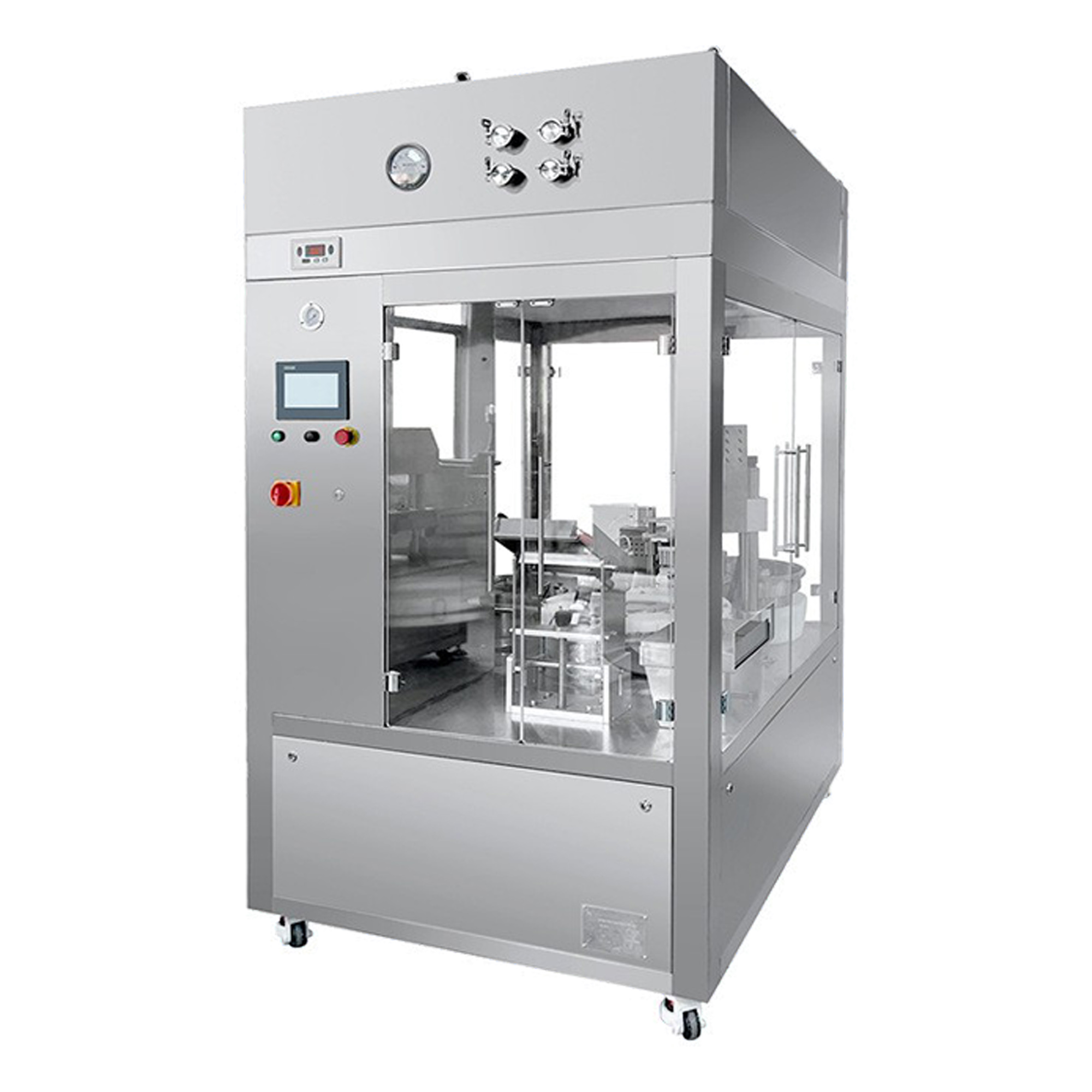
Aseptic production is the cornerstone of pharmaceutical manufacturing, and cartridge filling machines, as the core equipment in the production line, must first meet the GMP requirements for aseptic control. Firstly, in terms of equipment design, a fully enclosed structure should be adopted to isolate the filling process from the external environment, preventing dust, microorganisms, and other pollutants from entering the production system. The filling area should be equipped with a Class A laminar flow system to ensure that the air in the operating area is free of particulate matter and microorganisms, laying a foundation for aseptic production.
Secondly, the material selection of the machine is crucial. All parts in contact with the product, such as the filling nozzle, cartridge holder, and seal, must be made of 316L stainless steel. This material has excellent corrosion resistance, can withstand the erosion of cleaning agents and acidic/alkaline substances, and will not react with the product to cause contamination. At the same time, the surface of these parts should be polished smoothly, without dead corners or gaps, to avoid residue accumulation and facilitate cleaning and sterilization.
In terms of filling technology, the submersible filling method is recommended. The filling head extends into the cartridge bottle to avoid splashing of the liquid medicine, which not only reduces the waste of materials but also prevents the liquid medicine from being oxidized due to contact with air. The filling accuracy should be controlled within ±1%, ensuring that the dosage of each cartridge meets the standard. For low-viscosity products such as insulin, a constant-pressure filling system should be adopted to avoid fluctuations in filling volume caused by changes in pressure.
The stopper feeding and pressing process also needs to comply with aseptic requirements. The rubber stopper should be transported through a sterile channel, and the pressing force should be controlled to ensure that the stopper is closely combined with the bottle mouth without gaps, preventing air from entering and causing product deterioration. In addition, an online detection system should be equipped to check whether the stopper is in place and whether the filling volume is accurate. Unqualified products should be automatically rejected to avoid affecting the overall quality.
When selecting equipment, enterprises should also pay attention to the traceability and operability of the machine. The filling machine should be equipped with a data recording system that can real-time record filling parameters, sterilization time, operator information, and other data, meeting GMP requirements for production traceability. At the same time, the machine should have good flexibility, be able to adapt to the replacement of cartridge bottles of different specifications, and the changeover process should be simple and fast to avoid affecting production efficiency.
It is also necessary to avoid common misunderstandings in equipment selection. Some enterprises only focus on cost control and choose low-cost equipment without CIP/SIP functions or 316L stainless steel materials, which may lead to non-compliance with GMP requirements and even product quality accidents. Therefore, when selecting, priority should be given to the compliance, stability, and operability of the equipment, and the balance between cost and quality should be achieved on the premise of meeting regulatory requirements.
In summary, the selection of cartridge filling machines must take GMP aseptic production requirements as the core, comprehensively consider factors such as equipment structure, material performance, filling accuracy, and traceability, avoid selection misunderstandings, and ensure that the selected equipment can effectively guarantee product safety and production compliance, laying a solid foundation for the stable development of pharmaceutical enterprises.