

Selection and Maintenance Tips for Bottle Washing Machines
In the fields of small-dose liquid packaging such as medicine, medical aesthetics, and cosmetics, Bottle Cleaning Machine are the core equipment that ensures production cleanliness and efficiency. Improper selection can lead to high breakage rates and unmet cleanliness standards, while inadequate maintenance can result in frequent equipment failures and reduced production capacity. Based on industry application scenarios, this article summarizes the key points for selection and maintenance, helping enterprises choose the right equipment and use it effectively.
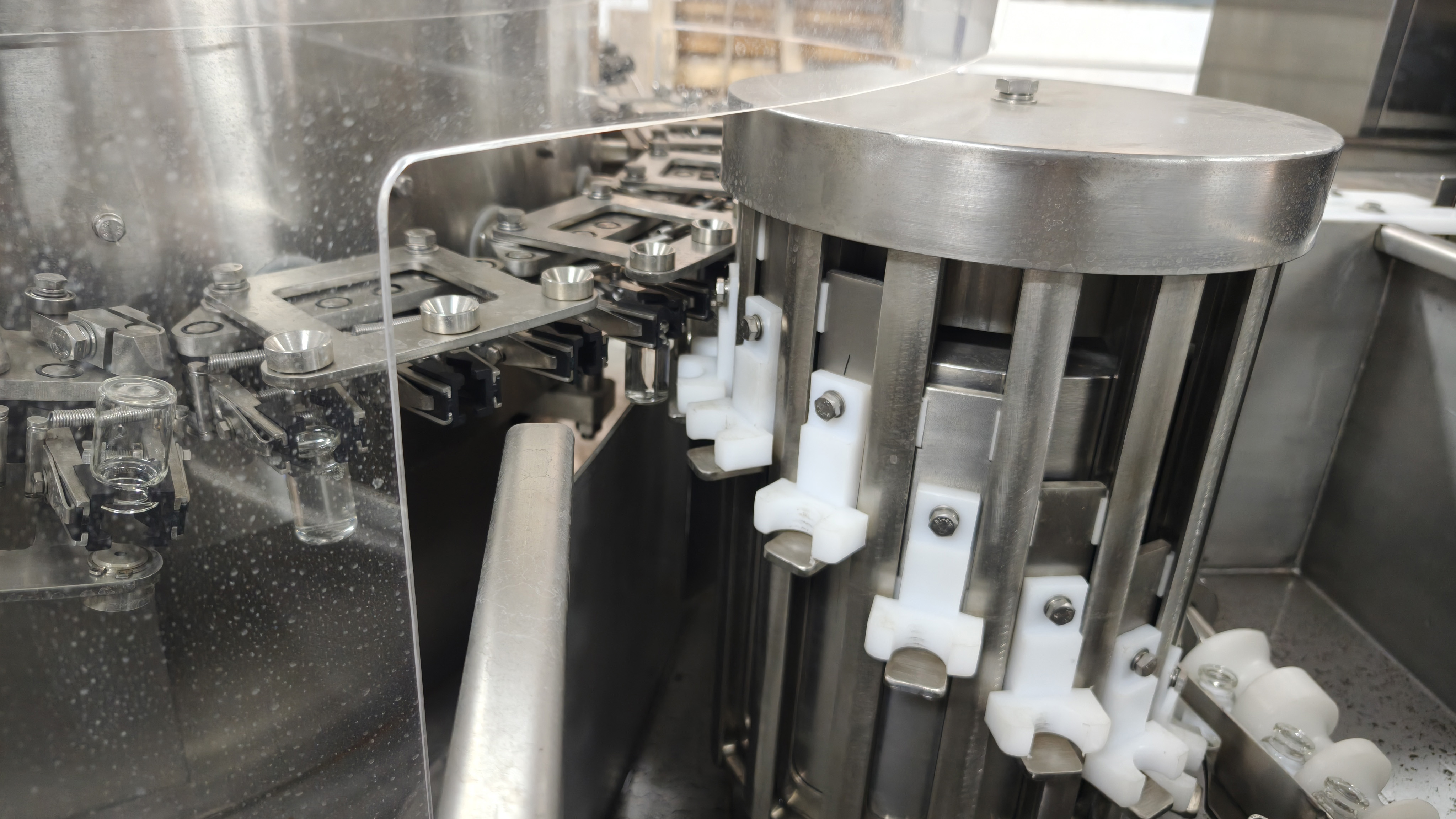
I. Key Points for Selection of Bottle Washing Machines
When choosing a bottle washing machine, prioritize selecting models that are compatible with the specific bottle types. For example, different bottle types such as syringes, card bottles, and oral liquid bottles require dedicated washing machines. Select the model based on the average daily production capacity. For small-scale laboratory production, choose a tabletop small-sized equipment, while for large-scale production lines, select tunnel-type or linked-line compatible models to avoid overcapacity or insufficient capacity.
Pay attention to cleanliness and compliance. In the pharmaceutical scenario, it must comply with GMP standards. Prioritize selecting models with sterile cleaning capabilities, such as tunnel sterilization washing machines and ultrasonic washing machines. In medical aesthetics and cosmetics scenarios, focus on efficient and clean technologies such as air-water rinsing and flexible washing. Additionally, the equipment material should be 304/316L stainless steel, meeting food and pharmaceutical hygiene standards to avoid material rust and contamination of materials.
Attach importance to breakage rate and stability. The breakage rate is a key assessment indicator. Choose models equipped with flexible bottle delivery, photoelectric positioning, and collision prevention structures, especially for thin-walled bottle types, and prefer not-breakable flexible washing machines. At the same time, assess the equipment's operational stability by checking brand reputation and user feedback to avoid frequent shutdowns due to unreasonable structural design.
Consider compatibility and scalability. If there is a plan to connect with a washing, drying, and filling linkage line in the future, select a model that is compatible with filling and capping equipment and reserve a linkage interface. Some enterprises need to switch between multiple bottle types, so prioritize selecting equipment with a wide range of adaptability and the ability to quickly adjust parameters to reduce subsequent renovation costs.
II. Key Maintenance Techniques for Bottle Cleaning Machine
Daily cleaning: Prevent contamination. Clean the internal residual water stains, bottle debris, and detergents after each production session. Focus on cleaning the nozzles, filters, and bottle delivery tracks. Check and replace pneumatic components, seals, and other wear parts weekly. Clean and remove scale to prevent blockages that affect cleaning performance.
Regular inspection: Prevent failures. Check the power supply and air source connections daily to ensure secure wiring and no air leakage in the air pipes. Maintain the pressure of pneumatic interfaces at 0.4-0.6 MPa. Calibrate core components such as photoelectric sensors and flow meters monthly, and check the lubrication of transmission components. Add lubricating oil in time to reduce wear.
Manage wear parts: Replace promptly. Establish a list of wear parts, such as seals, nozzles, and conveyor belts, and replace them regularly. Suggest checking every 3-6 months and replacing immediately if they are aging or damaged. For core components such as ultrasonic generators and PLC control systems, regularly test their performance to avoid sudden failures.
Follow standard operations: Extend lifespan. Follow the operation manual to start and stop the equipment. Complete preheating and self-check procedures before production. Avoid overloading the equipment. Arrange production based on the equipment's rated capacity to prevent overload damage to the motor and transmission system. Operators should undergo professional training to reduce human operational errors that cause equipment damage.
Selection and maintenance of Bottle Cleaning Machine directly affect production efficiency and product cleanliness. Enterprises should precisely select based on their own needs and establish a regular maintenance mechanism to ensure the long-term stable operation of the equipment, laying a solid foundation for subsequent filling, capping, and other processes.