

Laboratory Tube Filling Guide: Comprehensive Analysis of Precise, Sterile, and Efficient Operations
In scenarios such as scientific research, small-scale pharmaceutical trials, and medical aesthetics development, tube filling is a crucial operation. The core requirements are precision, sterility, and convenience, to avoid operational errors that may lead to experimental deviations or material contamination. This article has streamlined and organized the practical operation guide to assist in completing the operation efficiently.
I. Pre-filling Preparation
The environment should be in a sterile operating table. It needs to be disinfected with ultraviolet light 30 minutes in advance. The operating table should be wiped with 75% alcohol. The test tubes need to be checked for no damage and appropriate specifications. Sterile test tubes need to be sterilized by high-pressure. The materials should be checked and sealed for storage. Materials prone to sedimentation should be stirred in advance. All equipment needs to be sterilized. The operators should wear sterile protective gear and disinfect their hands.
II. Core Operating Steps
Manual filling is suitable for small-scale experiments: Place the test tubes upright, use a pipette to precisely draw the material (avoiding bubbles), insert the pipette tip into the bottom of the test tube and slowly release the liquid. Seal and label immediately after filling, and clean the equipment. Small automatic filling is suitable for medium-scale requirements: Adjust the equipment parameters, place sterilized test tubes and materials, start the equipment to complete the submerged filling, then seal and label, and clean the equipment afterwards.
III. Key Considerations
The entire process must be kept sterile to prevent microbial contamination; strictly control the filling accuracy, with the error meeting the experimental requirements; during filling, prevent splashing and foaming, and slow down the operation for materials prone to foaming; different materials/batches require changing equipment and disinfection to avoid cross-contamination; protective measures should be taken for toxic and corrosive materials; automatic equipment should be cleaned and maintained regularly.
IV. Equipment Selection Suggestions
Prioritize the selection of high-precision, desktop-type small equipment that can be adapted to various types of test tubes and support submersible filling; the components in contact with the materials are made of medical-grade stainless steel, which is easy to clean and sterilize and complies with GMP requirements. For example, the HONSIMBA desktop filling machine can improve efficiency and consistency.
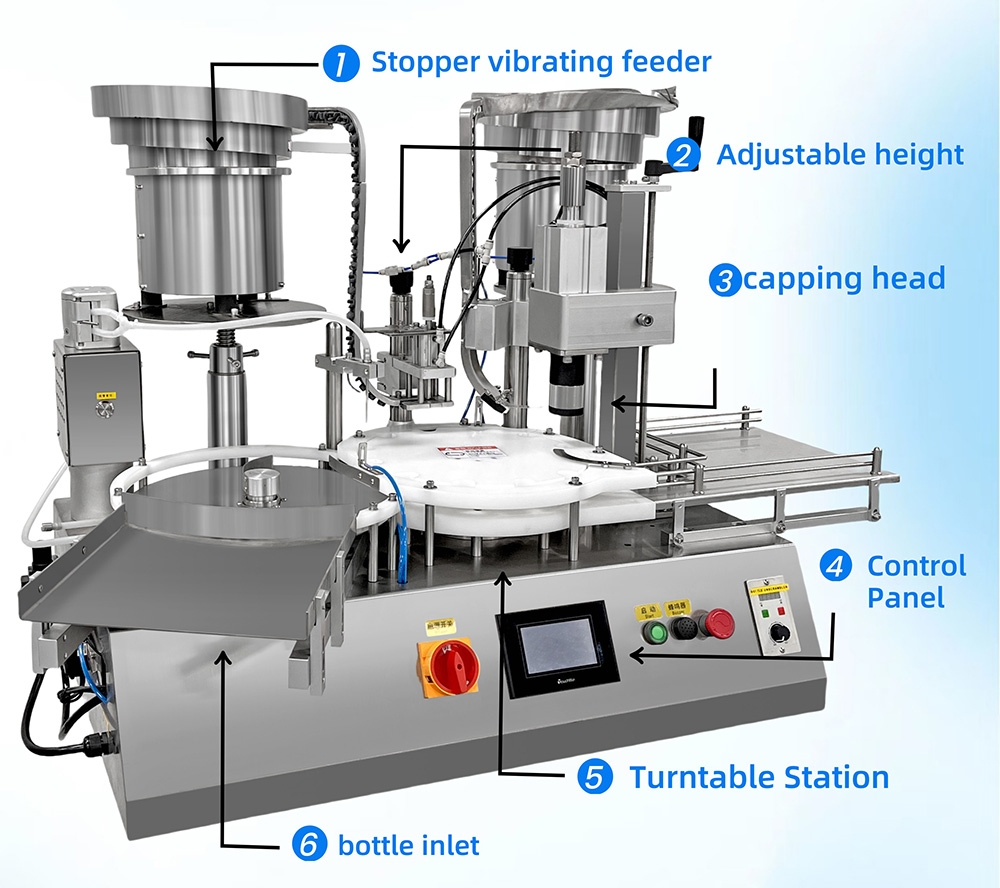
Laboratory filling must adhere to the principles of sterility, accuracy and safety. Standardized operations, meticulous attention to details, and the selection of appropriate equipment can effectively ensure the stability of experimental results.